Common Situations That Require Hazmat Emergency Response
Emergency responders and safety professionals often face complex challenges involving hazardous materials. Understanding when a professional hazmat emergency response is necessary can make the critical difference between safe containment and widespread harm. This article explores common situations that call for specialized hazmat intervention, explains the step-by-step response process, and highlights the importance of effective communication, safety checks, cleanup, and follow-up.
Recognizing the Need for Hazmat Emergency Response
Hazardous incidents vary widely, ranging from chemical spills to fuel leaks, industrial accidents, and transportation incidents. Responders must quickly assess whether a situation requires professional
hazmat emergency response teams trained to manage dangerous substances safely. Examples of situations demanding hazmat services include:
- Chemical spills: Industrial sites or laboratories may experience accidental releases of toxic or reactive chemicals that pose risks to health and the environment.
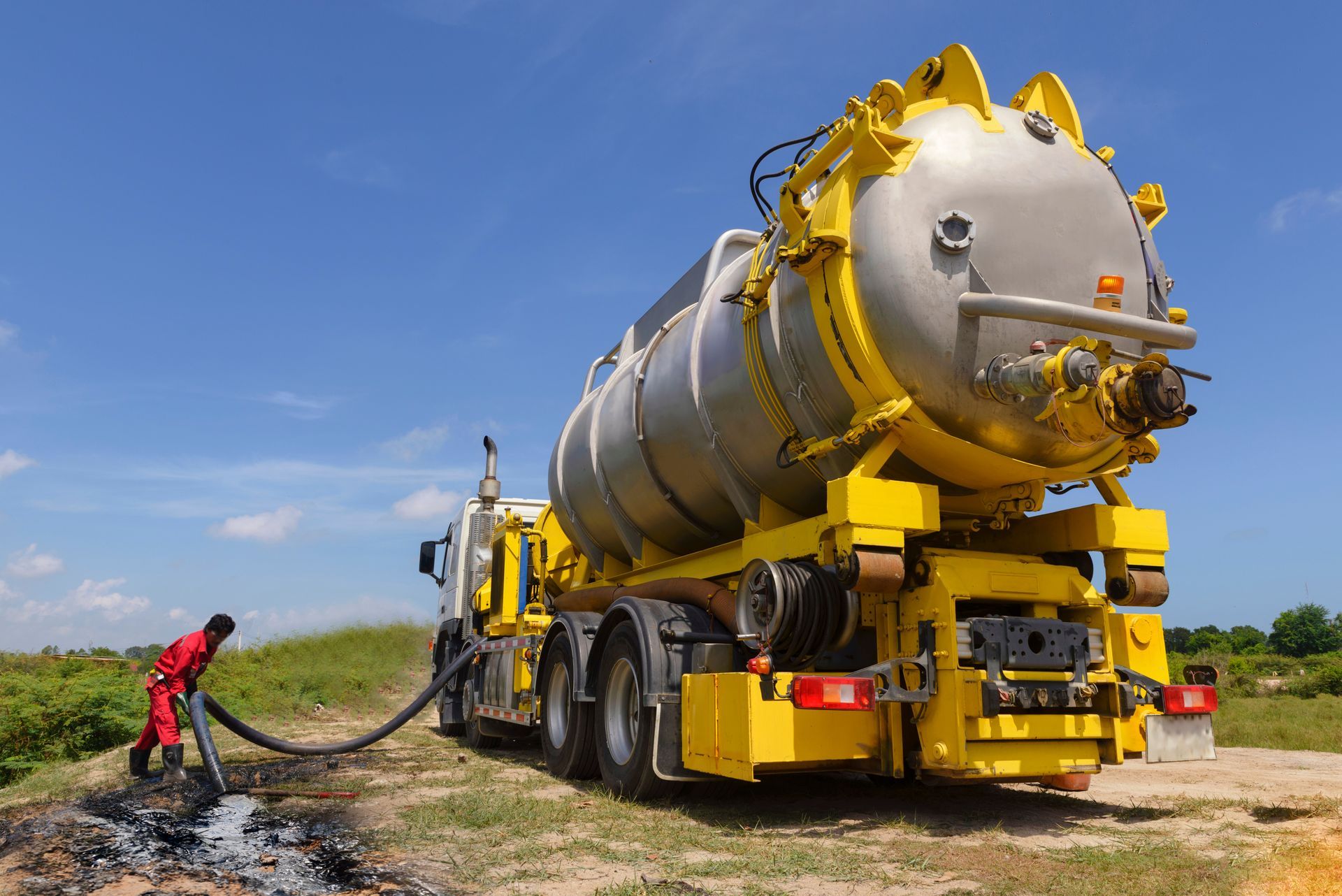
- Fuel leaks: Gasoline or diesel leaks during transport or storage can create fire hazards and environmental contamination.
- Industrial accidents: Manufacturing or processing facilities may encounter equipment failures causing hazardous material exposure.
- Transportation incidents: Truck accidents or rail derailments involving hazardous cargo necessitate immediate containment and remediation.
Each scenario involves inherent dangers that require specialized knowledge, protective equipment, and containment techniques to minimize harm.
Step-by-Step Hazmat Emergency Response Process
Professional hazmat emergency response teams follow a structured protocol to control incidents and mitigate risks. While specific details depend on the nature of the hazard, a general process includes:
- Initial assessment and scene security: Upon arrival, responders evaluate the scene to identify the materials involved and the extent of the hazard. Establishing a secure perimeter prevents unauthorized access and reduces exposure risks.
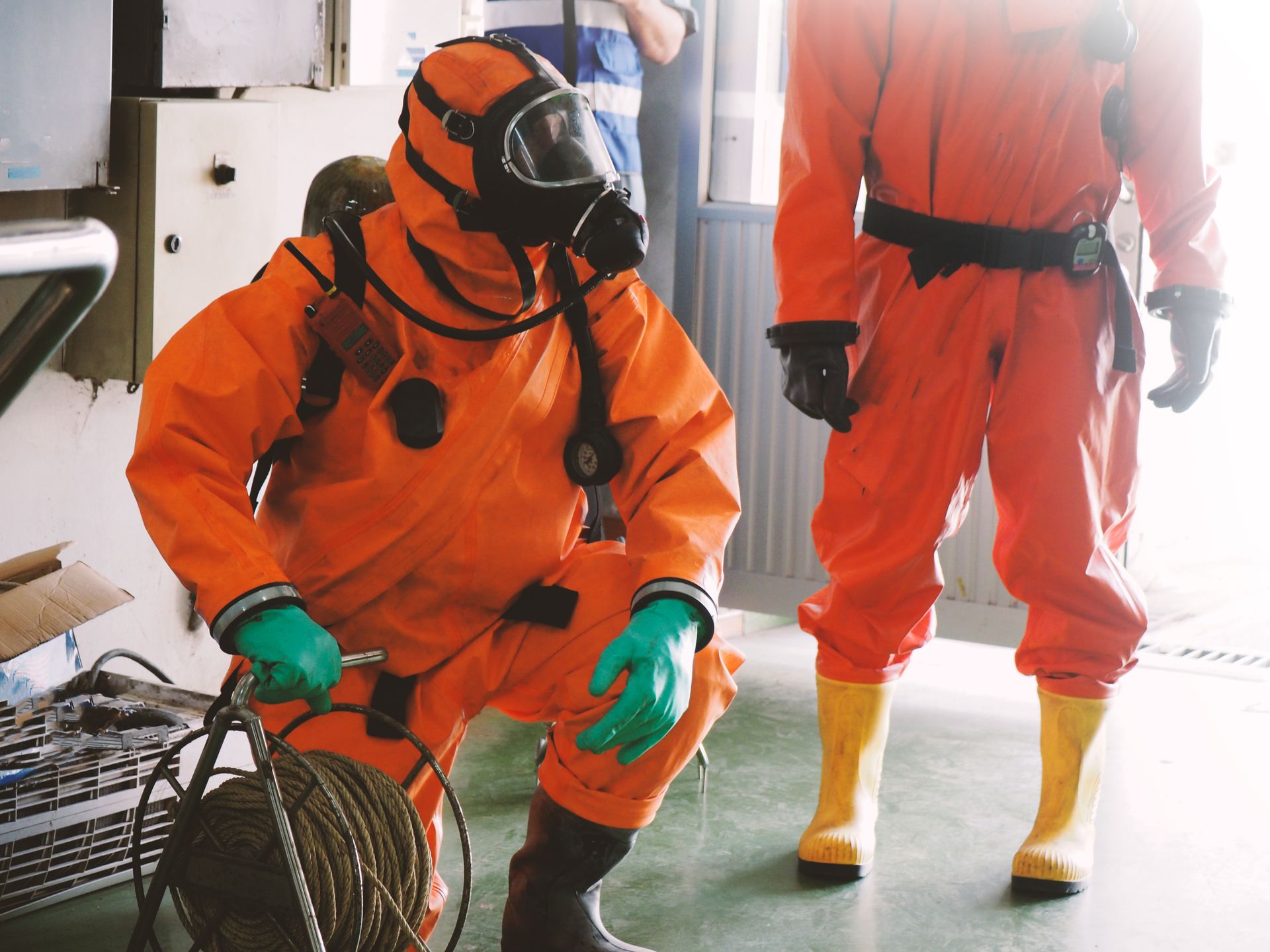
- Risk evaluation and resource mobilization: Teams determine appropriate personal protective equipment (PPE) and containment methods. This evaluation directs the mobilization of specialized cleanup crews and equipment.
- Containment and control: Techniques such as diking, absorbents, or neutralization are used to control the spread of hazardous agents. These measures are essential to prevent further environmental damage or health hazards.
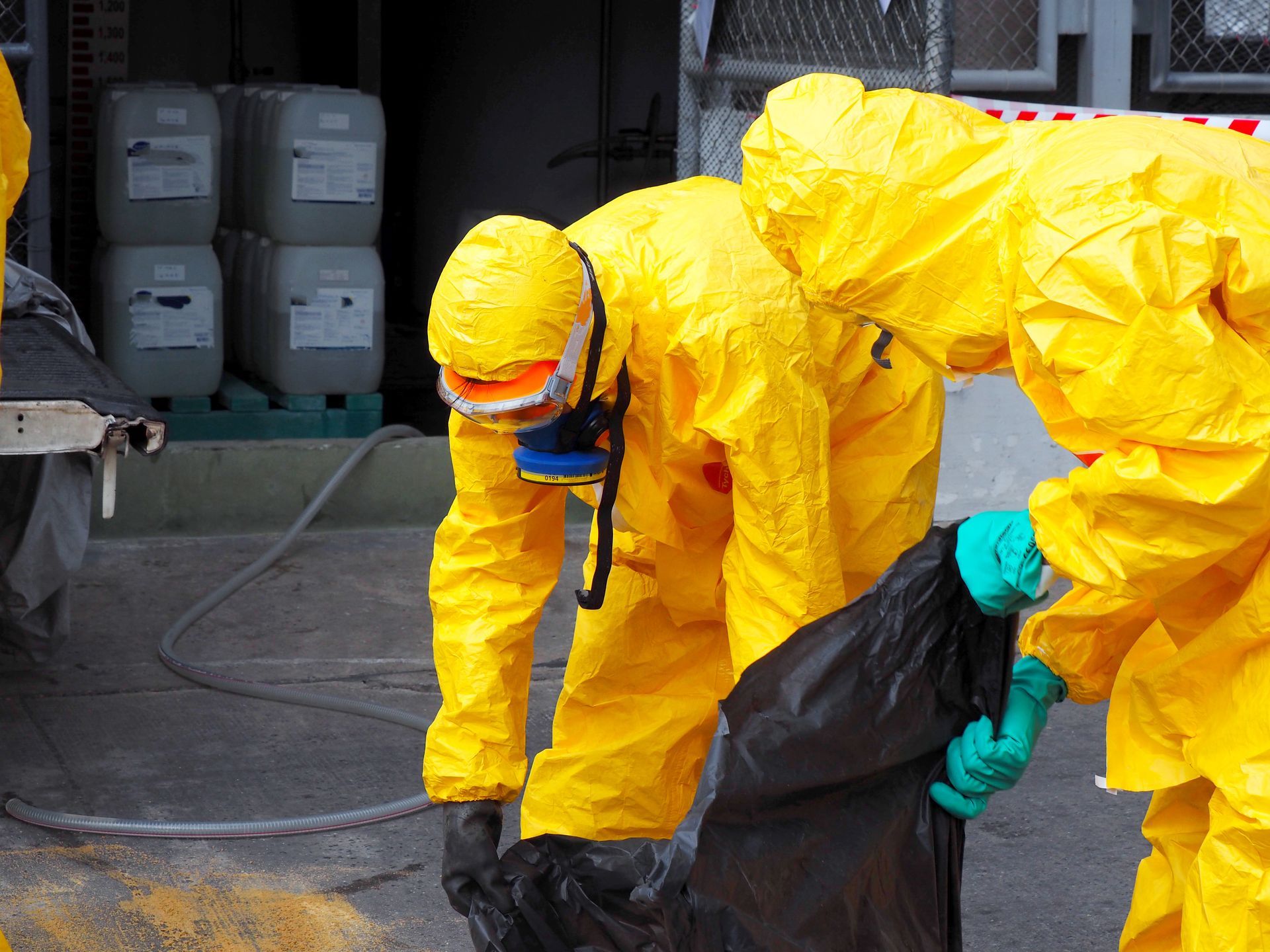
- Emergency spill decontamination: Prompt and thorough decontamination of affected areas and materials is critical. This process involves removing contaminants from surfaces and waste materials, ensuring they are handled according to regulatory standards.
- Hazardous and non-hazardous remediation: After immediate threats are addressed, remediation focuses on restoring the environment. Both hazardous and non-hazardous material removal is carefully managed to prevent lasting impacts.
- Follow-up monitoring and reporting: Continuous monitoring verifies the effectiveness of cleanup efforts. Proper documentation and communication with regulatory agencies ensure compliance and inform all stakeholders.
By following these steps with precision, professional responders reduce risks and restore safety efficiently and effectively.
Importance of Communication and Safety Checks
Clear communication among responders, site managers, and regulatory bodies is vital throughout a hazmat emergency response. Sharing accurate information about hazards, containment status, and remediation progress enhances coordination and decision-making. Safety checks are another key component. Prior to any cleanup or containment effort, teams verify that equipment functions properly and that personnel have adequate training and PPE. Routine inspections during the response ensure continued protection against unexpected dangers.
When to Call for Professional Hazmat Services
Due to the complexity and danger involved, recognizing when to engage professional hazmat teams is crucial. Situations warranting their services typically include:
- Large-scale chemical spills exceeding initial containment capabilities.
- Releases of unknown or highly toxic substances.
- Incidents involving flammable or explosive materials.
- Complex transportation accidents with hazardous cargo.
- Environmental contamination requiring specialized remediation.
Relying on trained experts reduces risk exposure for emergency responders and the public. Professional intervention also ensures compliance with environmental and safety regulations, avoiding costly penalties.
Integration With Hazardous and Non-Hazardous Remediation
Effective hazmat emergency response does not end with containment. Successful remediation involves carefully managing both hazardous and non-hazardous waste streams generated during cleanup. Specialized remediation services separate, treat, and dispose of materials according to strict guidelines. Responders benefit from partnerships with companies experienced in hazardous and non-hazardous remediation. These collaborations streamline the cleanup process, enhance safety, and minimize environmental impact.
Ensuring Effective Hazmat Emergency Response With Professional Support
Responding to hazardous material incidents requires specialized knowledge, rigorous processes, and access to professional resources. Every phase of the response, from initial assessment and containment to cleanup and remediation, must be managed with precision to minimize risks to human health, property, and the environment. Being aware of the common situations that require hazmat emergency response allows emergency responders and safety professionals to act decisively and confidently when hazardous events occur. Following established protocols and collaborating with experienced teams ensures that incidents are resolved efficiently and safely, reducing the potential for long-term consequences.
For organizations and responders operating in or near
Greensboro, NC, reliable and expert support is essential. SMR Rapid Response provides comprehensive hazmat services tailored to meet the challenges of hazardous material incidents.
Contact SMR Rapid Response today to learn more about their services and how they can help your organization maintain safety, meet regulatory requirements, and effectively manage hazardous material emergencies with confidence and expertise.
Recent Posts