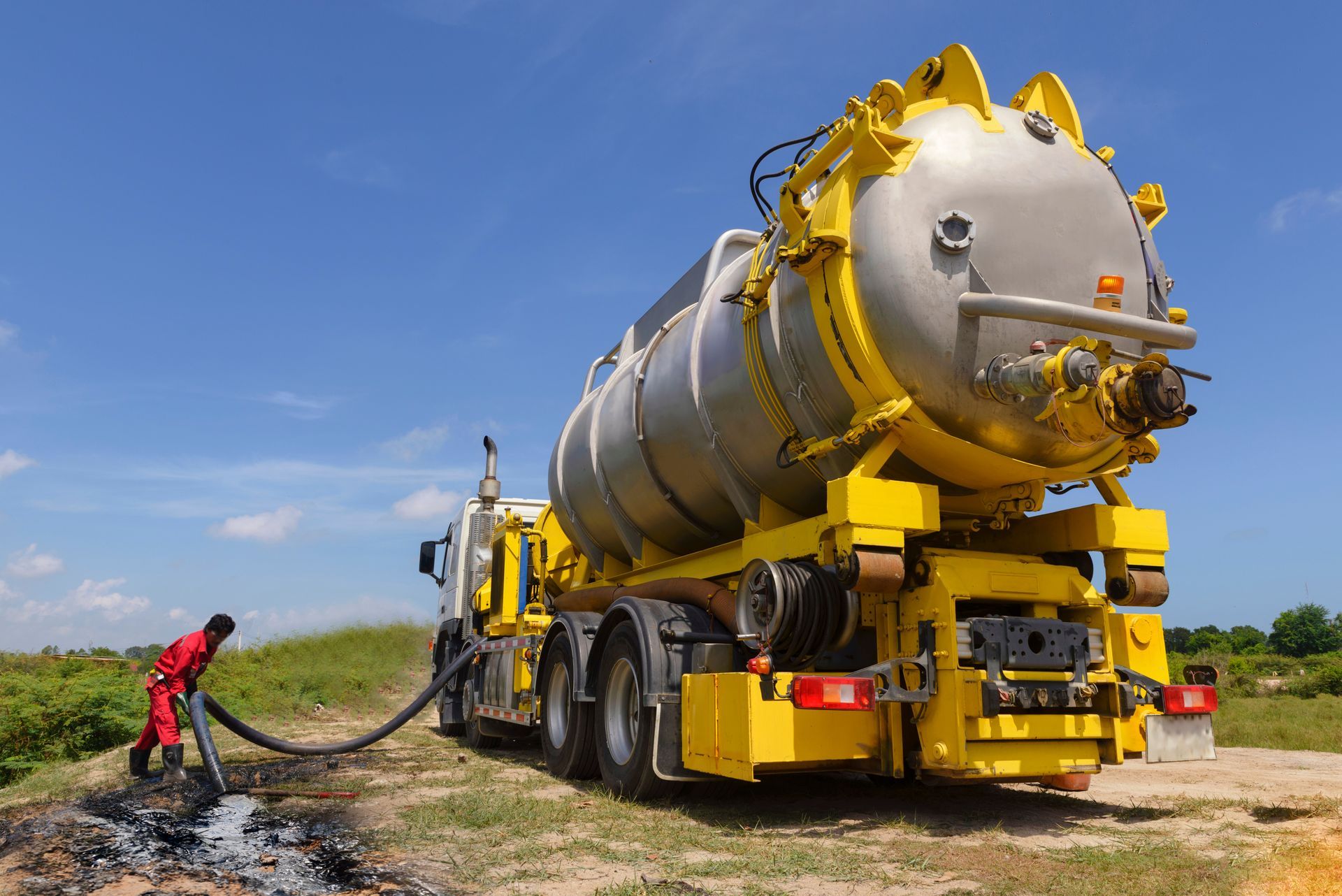
Spill response consulting in Hopewell, VA, is a legitimate operational need for EHS managers and operations directors who want to build a defensible, regulation-ready preparedness program rather than simply react to incidents. Hopewell sits at the center of one of Virginia's most chemically active industrial corridors, where petrochemical, agricultural chemical, and specialty manufacturing operations face a higher baseline of regulatory scrutiny than most commercial sites. Knowing when internal protocols are sufficient and when an outside consultant is warranted may be one of the most practical compliance decisions a team makes.
Why Hopewell Facilities Face a Higher Bar for Spill Preparedness
Hopewell's concentration of chemical manufacturing operations along the James River means facilities here often handle regulated substances at volumes that trigger federal and state preparedness requirements. Proximity to waterway tributaries raises the consequences of a release considerably. When internal response plans have not been tested against current chemical inventories, site layouts, or staffing levels, they may not hold up during a regulatory review.
What Situations Typically Trigger a Spill Response Consulting Engagement?
Spill response consulting in Hopewell, VA, typically becomes relevant when a facility encounters one or more of the following conditions.
Post-Incident Plan Review. After a release occurs, regulators and insurers often require a documented review of response procedures. A consultant can produce the corrective plan and supporting documentation regulators may expect.
New Facility Startup or Expansion. When a new process line, chemical, or storage area is added, existing spill response plans may not reflect current site conditions. A consulting engagement can align those plans before an inspection surfaces the gap.
SPCC Plan Development or Update. Facilities storing oil above federal threshold quantities must maintain a Spill Prevention, Control, and Countermeasure plan. An outdated or incomplete SPCC plan is one of the most common findings during a Hazardous Waste Inspection.
Regulatory Inquiry or Notice of Violation. A letter from a state or federal agency may require a corrective action plan that addresses spill response procedures explicitly.
Integration of New Chemical Processes. New chemical introductions often bring new response requirements. Existing site plans may not address containment procedures, incompatible materials, or updated training needs.
How Hazardous Waste Inspection in Hopewell, VA Leads to a Consulting Engagement
A Hazardous Waste Inspection is often the diagnostic step that precedes a consulting engagement. Inspection findings can reveal outdated spill response plans, incomplete containment documentation, or missing SPCC elements. Many facility teams find it useful to treat these as a sequence: the inspection surfaces the gaps, and the consulting engagement produces the corrective plan. This approach reduces the time between a regulatory finding and a documented response.
What a Consulting Engagement May Produce
A structured engagement may produce a gap analysis comparing current spill response documentation against applicable federal and Virginia state requirements, a revised or newly developed SPCC plan reflecting current site conditions and personnel responsibilities, updated emergency response procedures ready for training and documentation, and a written corrective action plan suitable for submission in response to a regulatory notice. Each deliverable supports a facility's ability to demonstrate compliance, not just describe intent.
Ready to Discuss Spill Response Consulting Serving Hopewell, VA?
SMR Rapid Response serves Hopewell, VA, and surrounding industrial facilities across the region. The team brings over 30 years of combined industry experience to consulting and response engagements, and holds ISNetworld certification and SWaM registration as a micro small business. Consulting recommendations are grounded in what preparedness gaps look like in the field rather than on paper alone. To connect with the team about your facility's spill response program,
reach out through the contact page or learn more about active
emergency spill response services. Call
(800) 348-5816 anytime.